



Play Block Wood Puzzle Online Free
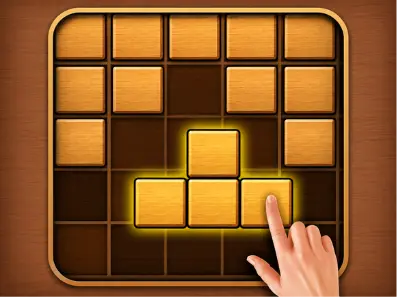
Block Wood Puzzle is a relaxing yet challenging block-placement game where every move matters. Your objective is simple: drag wooden pieces onto the board, complete full rows or columns, clear space, and continue playing for as long as possible.
The rules are easy to understand, but achieving a high score requires patience, planning, and the ability to think several moves ahead. One poor placement can reduce your available space, while one clever move can clear multiple lines and completely change the game.
You can play Block Wood Puzzle online directly in your browser on Playgima. There is no download, installation, or account required. Open the game, press Play, and begin arranging the wooden blocks.
Players who enjoy calm logic challenges can also explore our full collection of free online puzzle games . You may also enjoy strategic classics such as 2048, Sudoku, and Bloxorz.
What Is Block Wood Puzzle?
Block Wood Puzzle is a grid-based puzzle game inspired by traditional wooden board puzzles and block-clearing games. Instead of controlling a moving character or racing against a timer, you focus on placing different block shapes onto an empty or partially filled board.
Each round presents a selection of wooden pieces. These pieces may appear as straight lines, squares, corners, T-shapes, L-shapes, or other arrangements. You must choose where to place each piece.
When you completely fill a horizontal row or vertical column, that line disappears and creates additional room for future pieces. The objective is to continue clearing lines while preventing the board from becoming too crowded.
The game normally ends when none of the available pieces can fit anywhere on the board.
This structure makes Block Wood Puzzle approachable for new players while still offering meaningful strategic depth. There are no complicated controls, character upgrades, or lengthy tutorials. The challenge comes entirely from your decisions.
How to Play Block Wood Puzzle
The basic gameplay process is straightforward:
- Look at the available wooden pieces.
- Select one piece.
- Drag it onto an open area of the board.
- Release the piece to place it.
- Complete horizontal rows or vertical columns.
- Clear completed lines to create additional space.
- Continue until no available piece can fit.
The game may appear simple during the first few moves because the board contains plenty of open space. The difficulty increases as more blocks remain on the board and your options become limited.
A successful player does not only ask, “Where can this piece fit?”
A better question is: “Where should I place this piece so that future pieces will still have room?”
That difference is the foundation of good Block Wood Puzzle strategy.
Block Wood Puzzle Controls
The controls are designed to work on both desktop and mobile devices.
Desktop Controls
Use your mouse to select and move pieces.
- Click and hold a wooden block.
- Drag it toward an open section of the board.
- Release the mouse button to place it.
Mobile Controls
Use your finger on a touchscreen.
- Tap and hold a piece.
- Drag it onto the board.
- Lift your finger to place it.
The game does not require fast reactions. You can usually take time to study the board before making a move.
The Main Objective
Your main objective is to score as many points as possible before running out of space.
Points are usually earned by:
- Placing wooden blocks.
- Completing full rows.
- Completing full columns.
- Clearing several lines in one move.
- Creating consecutive line-clearing combinations.
The exact scoring system may vary between versions, but the central principle remains the same: clearing lines efficiently allows you to survive longer and achieve a better score.
A high score is not only a result of clearing many lines. It also depends on maintaining a flexible board for as long as possible.
Why Block Wood Puzzle Is More Strategic Than It Looks
Many beginners place pieces wherever they fit. This works during the early stages, but it normally creates problems later.
Each placement changes the shape of the remaining open space. A small mistake can create narrow gaps, isolated squares, or irregular spaces that future pieces cannot use.
Imagine that you leave one empty square trapped between several blocks. A straight line, large square, or T-shaped piece cannot fill that space. The empty square may remain useless for many turns.
Good players try to create clean, usable spaces rather than scattered gaps.
This is why Block Wood Puzzle involves several layers of strategy:
- Short-term line clearing.
- Long-term space management.
- Shape prediction.
- Risk control.
- Board organization.
- Combination planning.
The game rewards players who balance immediate points with future flexibility.
Beginner Strategy: Keep the Board Open
The most important beginner rule is to preserve open space.
Avoid filling the entire center of the board too quickly. The center usually offers the greatest number of placement options because pieces can extend in several directions.
When possible, keep at least one large open area available for difficult shapes.
Large blocks and long lines can become impossible to place if the board is divided into many small sections.
A useful early-game approach is:
- Place larger pieces near edges when safe.
- Keep the central area relatively open.
- Avoid creating single-cell holes.
- Build toward complete rows or columns.
- Do not block several areas at the same time.
You do not need to clear a line on every turn. Sometimes a move that preserves space is more valuable than a move that produces immediate points.
Study All Available Pieces Before Moving
Do not place the first piece immediately.
Before making a move, inspect every available shape. Try to determine:
- Which piece is hardest to place?
- Which piece can complete a row?
- Which piece may create a useful gap?
- Which pieces can work together?
- Will placing one piece block another?
The order of placement can matter greatly.
For example, suppose you have:
- A long horizontal line.
- A small square.
- An L-shaped block.
The long line may have only one possible location. If you place the square there first, the long line becomes unusable.
Always identify the least flexible piece before making your first move.
Avoid Small Trapped Gaps
Small isolated spaces are one of the most common reasons players lose.
A one-square gap is difficult to fill unless the game gives you a single-square piece. A narrow two-square gap may also remain unusable if all available pieces are larger.
Try to keep empty areas connected. Large connected spaces can accept many different block shapes.
Scattered gaps reduce your options.
Before placing a block, examine the spaces around it. Ask whether the move will create:
- A one-square hole.
- A narrow channel.
- An awkward corner.
- Two disconnected open areas.
- A space that only one rare piece can fill.
When possible, choose placements that maintain smooth, regular open areas.
Use the Corners Carefully
Corners are useful because blocks placed there cannot interfere from every direction. However, corners can also become traps if you build around them incorrectly.
Large square pieces and L-shaped pieces often work well near corners. Straight lines may also fit efficiently along the edges.
Try not to leave an unusual empty pattern trapped in a corner. Once surrounding blocks close the area, you may not receive the exact shape needed to fill it.
A good corner placement should support a future row or column rather than create a dead zone.
Balance Rows and Columns
Some players focus only on horizontal rows. Others focus only on vertical columns.
A stronger approach is to create opportunities in both directions.
A single block can contribute to a horizontal row and a vertical column at the same time. When both lines are nearly complete, one well-placed piece may clear multiple lines.
This creates more space and may award combination points.
Try to build structures where several lines share important cells. These intersections create powerful clearing opportunities.
However, do not wait too long for a perfect combination. If the board becomes crowded, clearing one safe line is better than risking the entire game.
When to Clear a Line Immediately
Clearing a line immediately is useful when:
- The board is becoming crowded.
- You need room for a large piece.
- The line is blocking an important area.
- No better combination is available.
- Waiting may create an awkward gap.
- The available pieces are difficult to place.
Space is your most important resource. If clearing one line creates a large usable area, it may be the correct move even without a large bonus.
When to Wait for a Combination
Waiting may be worthwhile when:
- The board still has plenty of room.
- Two or more lines are almost complete.
- One available piece can clear several lines.
- The planned move does not create dangerous gaps.
- You have alternative placements for the remaining pieces.
Combination plays can increase your score and clear more space. However, they should not be forced.
A combination is valuable only when it improves the board. A risky setup that leaves you with no placement options is not worth the extra points.
Plan for Large Pieces
Large pieces create some of the most difficult moments in Block Wood Puzzle.
Examples may include:
- Large squares.
- Long horizontal lines.
- Long vertical lines.
- Wide rectangles.
- Large T-shaped pieces.
If you fill the board with small fragmented gaps, these shapes will have nowhere to go.
Try to preserve at least one open square or rectangular area. Even if the game does not currently show a large piece, maintaining that space provides protection for future turns.
Think of this area as your emergency reserve.
Use Small Pieces to Repair the Board
Small pieces are flexible and valuable.
They can help you:
- Fill awkward gaps.
- Complete nearly finished lines.
- Repair irregular edges.
- Prepare intersections.
- Open space for larger shapes.
Avoid wasting a small piece in a large open area when it could solve a difficult gap somewhere else.
A single-square or short block may look unimportant, but it can rescue a board that would otherwise become impossible to manage.
Do Not Chase Every Immediate Point
It is tempting to place a piece where it scores points immediately. However, short-term scoring can damage your long-term position.
Suppose one placement completes a row but creates three isolated gaps. Another placement does not clear a line immediately but keeps the board organized.
The second move may be stronger because it gives you more future options.
High scores come from survival. A player who continues for many additional turns will usually outperform a player who gains a quick bonus and loses soon afterward.
Create Flat Surfaces
Flat surfaces are easier to manage than uneven structures.
When blocks create many small peaks, corners, and cavities, future pieces become harder to place. Try to build clean horizontal or vertical sections.
Flat edges allow straight pieces, squares, and rectangles to fit more easily.
You do not need a perfectly symmetrical board, but reducing unnecessary irregularities will improve your flexibility.
Keep More Than One Possible Placement
A strong board gives you choices.
If a piece has only one possible location, you are already in danger. Try to organize the board so that most shapes can fit in several areas.
Multiple placement options allow you to choose strategically rather than react desperately.
You can evaluate board strength by asking:
- Can a large square fit?
- Can a long line fit horizontally?
- Can a long line fit vertically?
- Can an L-shaped piece fit in more than one place?
- Are there several connected open areas?
The more yes answers you have, the healthier your board is.
Advanced Strategy: Think in Shapes, Not Individual Cells
Experienced players stop viewing the board as individual squares. Instead, they recognize usable shapes.
They may identify:
- A future 3×3 square.
- A long horizontal channel.
- An L-shaped opening.
- A column-clearing opportunity.
- A two-line intersection.
- A dangerous isolated cavity.
This approach makes it easier to anticipate which pieces can fit and which placements may cause problems.
When examining an empty region, imagine several possible block shapes inside it. If only one rare shape can use the space, the area is not very flexible.
Advanced Strategy: Manage Board Density
Board density describes how much of the grid is occupied.
A low-density board gives you flexibility but may offer fewer immediate clearing opportunities.
A high-density board creates more nearly completed lines but carries greater risk.
The best position is usually a controlled middle state:
- Enough blocks to create clearing opportunities.
- Enough open space to handle difficult pieces.
- Few isolated gaps.
- Several possible placements.
If the board becomes too empty, you can build carefully. If it becomes too crowded, prioritize clearing space over creating large combinations.
Advanced Strategy: Evaluate the Worst Piece
Instead of imagining the perfect future piece, prepare for the worst one.
Ask yourself: “What difficult shape would cause the biggest problem right now?”
If the answer is a large square, preserve a square opening.
If the answer is a long vertical line, keep a tall channel.
If the answer is a wide horizontal piece, avoid blocking every row.
This strategy reduces the chance of losing because of one unfortunate set of pieces.
Common Mistakes to Avoid
Placing Pieces Too Quickly
The game normally does not require fast decisions. Use the available time to inspect the board.
Filling the Center Too Early
The center is highly flexible. Protect it when possible.
Creating Single-Square Holes
These holes may remain unusable for many turns.
Ignoring the Remaining Pieces
One placement can block another piece from fitting.
Saving a Combination for Too Long
A perfect setup is useless if the board becomes unplayable.
Using Small Pieces Carelessly
Small pieces are valuable for repairing difficult gaps.
Building Only in One Direction
Create opportunities for both rows and columns.
Assuming a Specific Piece Will Appear
Plan based on the current board, not on a piece you hope to receive.
Is Block Wood Puzzle Timed?
Most versions of Block Wood Puzzle focus on careful decision-making rather than speed. You can usually examine the board before placing a piece.
This makes the game suitable for players who prefer calm puzzle experiences.
The absence of a strict timer does not make the game easy. The challenge comes from limited space and increasingly difficult placement decisions.
Can You Rotate the Blocks?
In many versions, the blocks cannot be rotated. You must place each piece in the orientation provided.
This restriction increases the strategic challenge because an otherwise useful shape may not fit the way you want.
Some versions may include different rules, so check the game interface before starting.
What Happens When a Line Is Completed?
When every space in a horizontal row or vertical column is filled, the completed line is removed.
The cleared cells become empty and can be used again.
Clearing several lines together is especially useful because it creates a larger connected area for future pieces.
What Causes the Game to End?
The game ends when none of the available pieces can fit on the remaining open spaces.
A board may still contain empty cells and yet be impossible to continue. This happens when the empty spaces are too small or badly shaped for the available pieces.
That is why the organization of open space matters more than the total number of empty cells.
How to Improve Your High Score
To improve your score consistently:
- Slow down before each move.
- Inspect all available pieces.
- Place difficult shapes first.
- Preserve large connected spaces.
- Avoid isolated gaps.
- Build toward both rows and columns.
- Use small pieces to repair the board.
- Clear lines before the board becomes dangerously crowded.
- Save large open areas for difficult shapes.
- Learn from the placement that ended each run.
After losing, look at the board and identify the main cause.
Did you create too many small gaps?
Did you block the only space for a large square?
Did you wait too long for a combination?
Recognizing these patterns will improve your future decisions.
Why People Enjoy Block Wood Puzzle
Block Wood Puzzle combines several qualities that make puzzle games appealing:
- Simple controls.
- No complicated tutorial.
- Short or long sessions.
- Calm visual presentation.
- Strategic decision-making.
- Endless score improvement.
- Easy access on mobile and desktop.
The game can be played casually for a few minutes or seriously as a high-score challenge.
Each run develops differently because the available shapes and your placements create a new board every time.
A Relaxing Game With Meaningful Decisions
The wooden visual style gives the game a calm and familiar appearance. Unlike fast action games, Block Wood Puzzle does not require constant movement or rapid button presses.
However, relaxing presentation does not mean shallow gameplay.
Every block affects future turns. A placement that appears harmless may limit your options several moves later.
This combination of calm controls and meaningful decisions makes the game suitable for players who want to think without facing complicated mechanics.
Play Block Wood Puzzle on Mobile
Block Wood Puzzle works naturally with touchscreen controls.
Dragging pieces with your finger is simple, and the game does not require a keyboard or controller.
For the best mobile experience:
- Use a stable internet connection.
- Rotate your device only if the game supports landscape mode.
- Make sure your browser is updated.
- Avoid placing pieces before confirming the target area.
- Use fullscreen mode when available.
You can also explore other mobile-friendly titles in our new games collection.
Play Block Wood Puzzle on Desktop
Desktop players can use a mouse to drag pieces onto the board.
A larger screen may make it easier to inspect open spaces and plan combinations.
Desktop play is useful for players who prefer precise movement and a wider view of the board.
No special software is required. The game runs directly inside a compatible web browser.
Block Wood Puzzle and Other Logic Games
Players who enjoy Block Wood Puzzle often enjoy other games that reward planning and spatial awareness.
You can try Color Block Jam for another block-based challenge. The game focuses on arranging and moving colorful blocks through constrained spaces.
Bolts and Nuts Puzzle offers a different form of problem-solving where players must determine the correct sequence of moves.
Bloxorz challenges you to roll a block across narrow platforms and place it correctly into the goal.
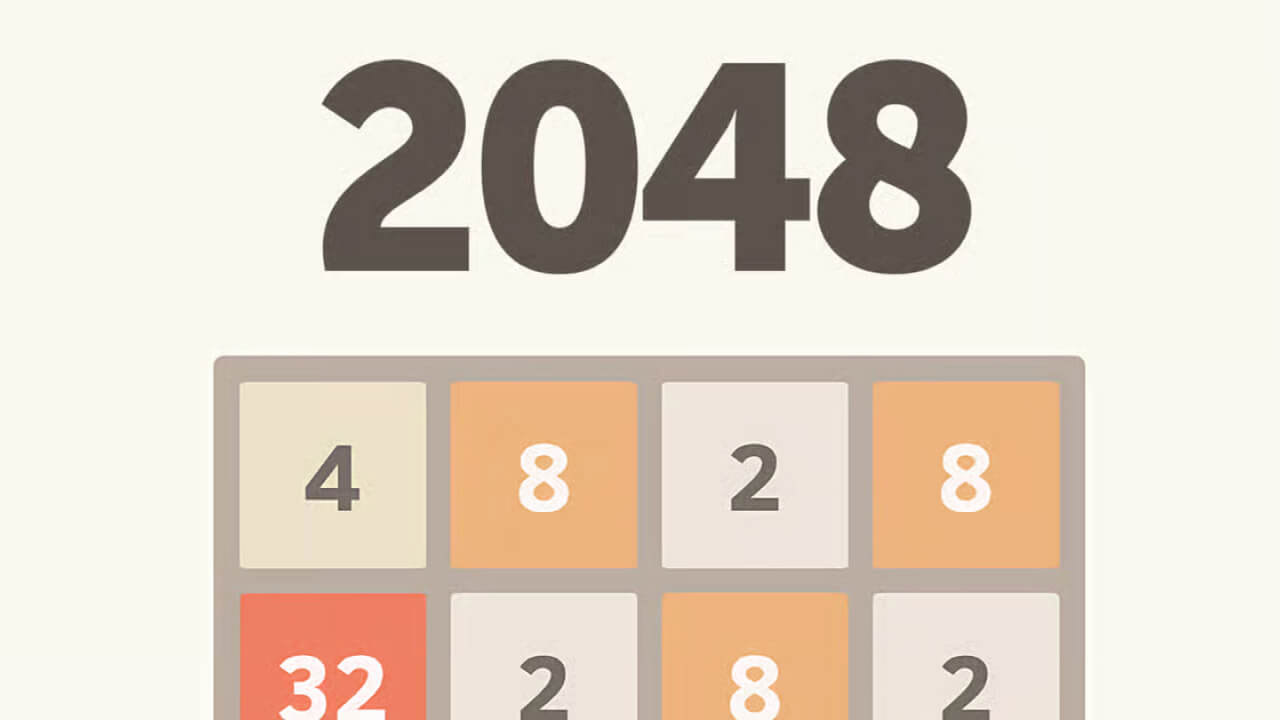
2048 focuses on combining numbered tiles while managing limited board space.
Sudoku provides a number-based logic challenge for players who prefer deduction over spatial placement.
All these games share one important idea: every decision changes the options available later.
More Puzzle Games to Try
Block Breaker
In Block Breaker , you clear blocks using a ball and paddle. It requires timing and positioning rather than grid placement.
Blocky Rush
Blocky Rush offers another block-focused experience with quick and accessible gameplay.
Bubble Shooter
Bubble Shooter challenges you to match groups of colored bubbles and clear the board.
Mahjong Classic
Mahjong Classic rewards careful observation as you match open tiles.
Bubble Letters
Bubble Letters combines casual puzzle mechanics with letter-based challenges.
Golf Puzzle
If you enjoy planning several moves ahead, Golf Puzzle offers another strategic experience based on positioning and efficient solutions.
You can discover more titles through our popular games and trending games pages.
Block Wood Puzzle Versus Tetris-Style Games
Block Wood Puzzle shares some visual similarities with classic falling-block games, but the gameplay is different.
In many falling-block games:
- Pieces move automatically.
- Players must react quickly.
- Pieces may be rotated.
- Completed horizontal lines disappear.
- Speed increases over time.
In Block Wood Puzzle:
- Pieces normally remain outside the board until selected.
- You choose when and where to place them.
- Pieces may not be rotatable.
- Both rows and columns may clear.
- The challenge focuses more on planning than speed.
This makes Block Wood Puzzle more relaxed but still strategically demanding.
Block Wood Puzzle Versus 2048
Both Block Wood Puzzle and 2048 involve managing a limited grid.
In 2048, moving tiles affects the entire board. Matching numbered tiles creates larger values.
In Block Wood Puzzle, you place individual shapes and clear completed lines.
Both games punish poor space management. In each game, a crowded board reduces your options and increases the risk of losing.
Players who enjoy one often appreciate the other because both reward patience and planning.
Block Wood Puzzle Versus Sudoku
Sudoku is based on logical number placement. Block Wood Puzzle is based on spatial organization.
Sudoku usually has one correct solution, while Block Wood Puzzle creates an ongoing sequence of decisions without a fixed ending.
Sudoku tests deduction. Block Wood Puzzle tests flexibility, shape recognition, and risk management.
Both can be relaxing ways to exercise concentration.
Is Block Wood Puzzle Good for Short Breaks?
Yes. A round can be played during a short break, but a successful run may continue much longer.
Because the game usually saves no complex progress and requires no tutorial, it is easy to start quickly.
This makes it suitable for:
- Work breaks.
- Study breaks.
- Waiting periods.
- Relaxing at home.
- Casual mobile sessions.
You can close the game after one round or continue trying to improve your score.
Does Block Wood Puzzle Require a Download?
No. You can play Block Wood Puzzle directly in your browser on Playgima.
There is no need to install a mobile application or desktop program.
Browser play allows you to access the game quickly from compatible devices.
Is Block Wood Puzzle Free?
Yes. You can play Block Wood Puzzle online for free on Playgima.
Open the game page, press the Play button, and begin.
Can Children Play Block Wood Puzzle?
The controls are simple and the gameplay does not require complex reading.
However, younger players may initially place pieces randomly. With practice, they can learn to recognize shapes, plan ahead, and organize the board more effectively.
Parents should still review third-party game content and browser settings when allowing children to play online.
Can Adults Enjoy Block Wood Puzzle?
Yes. The game is especially suitable for adults who enjoy relaxing logic challenges.
It can be played without sound, without fast reflexes, and without learning complex systems.
The difficulty grows naturally as the board fills, making the game engaging even after many rounds.
Frequently Asked Questions
How do you play Block Wood Puzzle?
Drag wooden pieces onto the board. Complete full horizontal rows or vertical columns to clear them. Continue placing blocks until none of the available pieces can fit.
What is the goal of Block Wood Puzzle?
The goal is to survive as long as possible, clear lines, and achieve a high score.
Can blocks be rotated?
In many versions, blocks cannot be rotated. They must be placed in the orientation provided.
Is Block Wood Puzzle free?
Yes. You can play it online for free on Playgima.
Do I need to download the game?
No. The game runs directly in your browser.
Does the game have a timer?
Most versions allow you to plan without a strict timer, although specific versions may vary.
How can I get a higher score?
Maintain open space, avoid isolated gaps, inspect all available pieces, and create multi-line combinations when safe.
Why did the game end when the board still had empty spaces?
The game ends when none of the available pieces can fit. Empty spaces may remain, but their shapes may not match the current blocks.
What are the best similar games?
Try 2048, Sudoku, Color Block Jam , Bloxorz, and Bolts and Nuts Puzzle .
Can I play on a phone or tablet?
Yes. The drag-and-drop controls are suitable for touchscreen devices.
Final Tips Before You Play
Before starting your next round, remember these five principles:
- Protect large connected spaces.
- Inspect every available piece before moving.
- Avoid one-square holes and narrow gaps.
- Use small pieces to repair difficult areas.
- Clear lines before the board becomes too crowded.
Block Wood Puzzle rewards consistency more than luck. You cannot control every shape that appears, but you can control how carefully you organize the board.
A clean board gives you choices. A fragmented board forces mistakes.
Take your time, plan each placement, and see how high you can score.
Play Block Wood Puzzle Now
Block Wood Puzzle is easy to begin, difficult to master, and suitable for quick or extended play sessions.
Drag the wooden blocks, complete rows and columns, create space, and challenge yourself to improve with every attempt.
Play Block Wood Puzzle online for free on Playgima, then explore more puzzle games, board games, and new browser games.
Comments
No comments yet. Be the first to comment.